Knowledge Is Your Competitive Advantage
Organizations that learn faster outcompete those that do not. In software, where technology evolves rapidly, learning velocity determines long-term success.
The Four Pillars
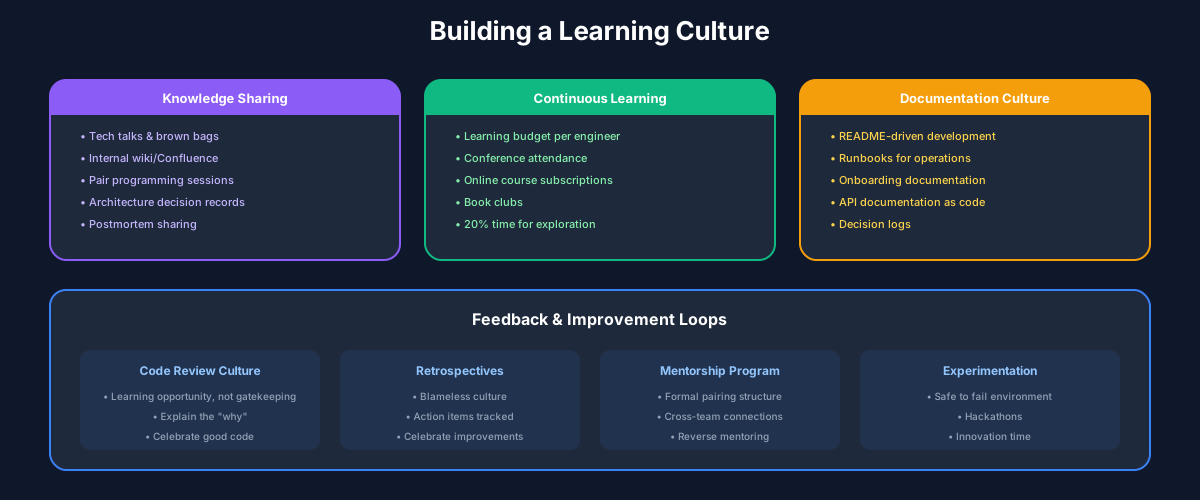
Psychological safety: People must feel safe asking questions and admitting what they do not know.
Time for learning: Learning requires time. If every hour is scheduled for delivery, learning happens only by accident.
Knowledge capture: Tribal knowledge in people's heads does not scale. Build systems that capture decisions and lessons learned.
Sharing incentives: What gets rewarded gets repeated. Recognize and celebrate knowledge sharing.
Documentation That Works
Architecture Decision Records: Document significant technical decisions with context, alternatives, and rationale.
Runbooks: Operational knowledge that gets people out of bed at 3am should not live only in one person's head.
README-driven development: Write the README before the code.
Just-in-time documentation: Document when you learn. The moment you figure something out is the best time to write it down.
Knowledge Sharing Formats
Tech talks: Structured presentations for broad dissemination.
Brown bags: Informal lunch sessions. Lower barrier to present.
Pair programming: Real-time knowledge transfer with immediate feedback.
Code reviews: Teaching moments disguised as quality gates.
Internal blogs: Long-form writing for ideas that need space.
Guilds and communities of practice: Cross-team groups around shared interests.
Making It Sustainable
Knowledge sharing dies when it becomes a burden. Reduce friction:
And make it rewarding:
Best Practices
Recommended Reading
💬Discussion
No comments yet
Be the first to share your thoughts!