The Meeting That Changed Everything
"Who should we ask about this?"
The question hung in the air. The room had two staff engineers, a principal, and an engineering director. But everyone turned to Marcus - a senior engineer with no "lead" in his title.
Marcus didn't have positional authority. He couldn't approve promotions or assign work. But when he spoke in architecture reviews, people listened. When he pushed back on a design, teams reconsidered. When he endorsed an approach, it moved forward.
"He just... makes things happen," his manager once told me. "I don't know how."
I do. I watched Marcus for two years. The "how" isn't magic - it's a learnable set of practices that turn individual contributors into people who shape the direction of entire organizations.
This is technical leadership: influence without authority. The ability to guide decisions, elevate teams, and drive outcomes without relying on org chart power. It's harder than management in some ways - you can't decree that something will happen. But it's more durable - influence based on trust persists when org charts change.
Here's how to build it.
The Technical Leader's Responsibilities
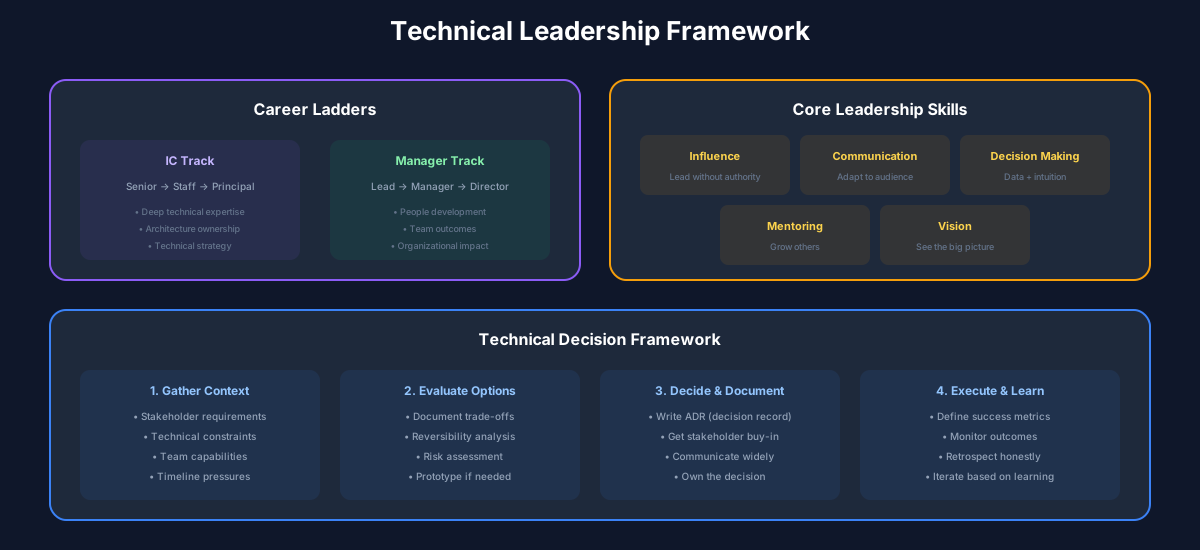
Technical leadership is not a single job - it is a set of responsibilities that can be distributed across roles. Understanding these responsibilities helps you identify where to focus.
Technical Direction
Someone needs to make architectural decisions. Not every decision - that does not scale - but the significant ones that shape how the system evolves. What patterns will we follow? What technologies will we adopt? How do we balance consistency with team autonomy?
Technical direction is not about having all the answers. It is about ensuring good decisions get made through good processes. Sometimes that means making the call yourself. Sometimes it means facilitating discussion until consensus emerges. Sometimes it means identifying who should make the decision and supporting them.
Technical Quality
Code review is the most visible quality practice, but technical quality leadership goes deeper. It is setting standards that make sense for your context. It is recognizing when technical debt is acceptable and when it is not. It is investing in testing, observability, and documentation - the infrastructure that enables sustainable velocity.
Quality leadership requires saying no sometimes. No, we cannot ship this with known security vulnerabilities. No, we cannot skip integration tests to meet an arbitrary deadline. The credibility to say no comes from demonstrating that you understand business constraints and are not just being precious about code.
Team Growth
The measure of a leader is not personal output - it is the capability of the team when you are not there. Technical leaders grow their teams through mentoring, teaching, and creating opportunities for others to stretch.
This means letting go of work you could do faster yourself. It means investing time in code review as teaching, not just gatekeeping. It means advocating for your teammates' growth in forums they cannot access.
Communication Bridge
Technical leaders translate. They explain technical constraints to business stakeholders in terms that land. They translate business priorities into technical direction that teams can act on. They ensure that information flows where it needs to go.
This bridge function is often invisible but critical. When it works well, product and engineering are aligned and productive. When it fails, you get the dysfunction of teams building the wrong thing or business making promises engineering cannot keep.
Decision-Making That Works
Technical decisions can be contentious. Different people have different preferences, different experiences, different risk tolerances. Without a clear decision-making process, teams get stuck in endless debate or make decisions by whoever argues loudest.
The Decision Framework
For significant decisions, establish a clear framework:
Disagree and Commit
Not every decision will be unanimous. That is okay. What matters is that once a decision is made, everyone commits to making it work. "I disagree but I'll commit to this approach" is a mature, productive stance.
As a leader, model this behavior. When you are overruled, commit fully. When you make a decision others disagree with, acknowledge their perspective and explain your reasoning. Never let disagreement fester into sabotage.
Reversible vs. Irreversible
Not all decisions deserve the same process. Jeff Bezos's framework is useful: one-way doors (irreversible decisions) deserve careful deliberation; two-way doors (reversible decisions) should be made quickly with the option to adjust.
For reversible decisions, bias toward action. Try something, learn, iterate. For irreversible decisions - technology choices that are expensive to change, architectural patterns that pervade the system - invest in getting it right.
Influence Without Authority
Positional authority is a crutch. Real leadership is the ability to shape outcomes regardless of where you sit in the org chart.
Build Credibility First
Influence is earned, not claimed. You build credibility by:
Credibility compounds. Each good decision makes the next one easier to land.
Listen Before Advocating
The worst way to influence is to start with your conclusion. People resist ideas pushed on them. They embrace ideas they feel ownership of.
Start by understanding. Ask questions. Explore constraints and concerns. Often, the best path forward incorporates elements from multiple perspectives. By listening first, you find that path - and you bring people along because they feel heard.
Propose, Don't Dictate
Frame ideas as proposals, not pronouncements. "I think we should..." invites discussion. "We will..." shuts it down. Even when you are confident in your recommendation, proposing creates space for input that might improve it.
When you do receive pushback, engage with it genuinely. Sometimes the pushback reveals something you missed. Sometimes you need to explain your reasoning more clearly. Sometimes you need to accept a different approach. All of these are better outcomes than steamrolling.
Give Credit Generously
Nothing builds goodwill like recognizing others' contributions. Publicly credit people whose ideas shaped outcomes. Acknowledge the person who raised the concern that led to a better solution. Share visibility, do not hoard it.
This is not just nice - it is strategic. People want to work with leaders who elevate them. They avoid leaders who claim credit for others' work. Your reputation for generosity expands your influence.
The Power of Writing
Writing is a technical leader's superpower. Writing scales influence in ways conversation cannot.
Architecture Decision Records
ADRs document significant technical decisions with context and reasoning. Future maintainers (including future you) will understand not just what was decided, but why.
# ADR-023: Use PostgreSQL for Order Service

## Status
Accepted

## Context
The Order Service needs a database. We evaluated PostgreSQL,
MongoDB, and DynamoDB.

## Decision
We will use PostgreSQL because:
- Strong consistency guarantees match our requirements
- Team has existing expertise
- Excellent tooling and ecosystem
- Handles our projected scale comfortably

## Consequences
- We accept the operational overhead of managing PostgreSQL
- We will use RDS for reduced operational burden
- We will revisit if we need to scale beyond RDS capabilities
RFCs and Design Docs
For significant changes, write before building. A design document forces clarity of thought and creates a record for feedback. It is far cheaper to identify problems in a document than in code.
Good design docs answer: What problem are we solving? What approaches did we consider? Why did we choose this one? What are the risks and how will we mitigate them?
Technical Blog Posts
Internal or external, writing about technical topics builds your reputation and forces you to understand deeply. If you cannot explain it clearly, you do not understand it well enough.
Growing Others
The ultimate measure of leadership is the growth of your team. Your job is to make yourself unnecessary - to build a team that does not depend on you.
Delegate Meaningfully
Delegation is not dumping work you do not want. It is intentionally giving people opportunities to grow. The best delegation is stretch assignments - work that is challenging but achievable with support.
When you delegate, provide context and autonomy, not micromanagement. Explain the goal and constraints, then let them find the path. Be available for guidance, but resist the urge to take over when they struggle.
Code Review as Teaching
Code review is the most consistent teaching opportunity for technical leaders. Approach it as education, not gatekeeping.
When you see something problematic, explain why it is problematic. Share the principle, not just the prescription. Link to resources. The goal is not just to improve this code - it is to improve the author's judgment for all future code.
Equally important: recognize when code is good. Specific, genuine praise reinforces good practices and builds confidence.
Create Space for Others to Lead
You do not need to lead every initiative. Identify opportunities and sponsor others to lead them. Advocate for their recognition. Step back and let them grow.
This can feel uncomfortable. You might do it faster or better yourself. But developing other leaders multiplies your impact far beyond what you could achieve alone.
The Leadership Balancing Act
Technical leadership involves constant balancing:
Hands-on vs. Hands-off: Stay technical enough to maintain credibility, but hands-off enough to not be a bottleneck. The balance shifts as teams and roles evolve.
Vision vs. Pragmatism: Hold a vision of where the system should go, but accept practical constraints that require compromise.
Speed vs. Quality: Move fast enough to deliver value, slow enough to maintain quality. Neither extreme serves the team.
Individual vs. Team: Do impactful individual work, but prioritize work that unblocks and elevates others.
There is no formula for these balances. They require judgment, developed through experience and reflection.
The Long Game
Technical leadership is a long game. You will not transform a team or a codebase in a sprint. Change happens gradually through consistent effort over time.
Be patient with others. Be patient with yourself. The skills of technical leadership - influence, judgment, communication - develop over years, not weeks.
The best technical leaders I know share certain qualities: they are curious, always learning; they are humble, knowing they do not have all the answers; they are generous, investing in others' growth; they are resilient, persisting through setbacks.
You do not need a title to start developing these qualities. You can lead from wherever you are, whatever your role. The opportunity is in front of you, in every interaction, every code review, every decision.
Lead with integrity. Lead with empathy. Lead by making the people around you better. That is the heart of technical leadership.
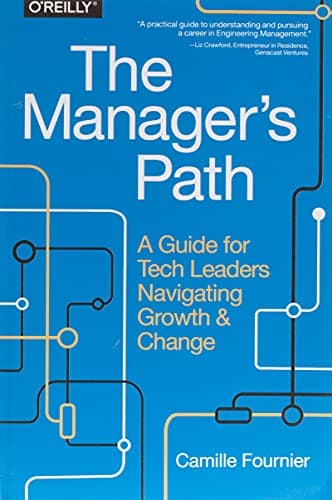
Recommended Reading
💬Discussion
No comments yet
Be the first to share your thoughts!