When JavaScript Is Not Enough
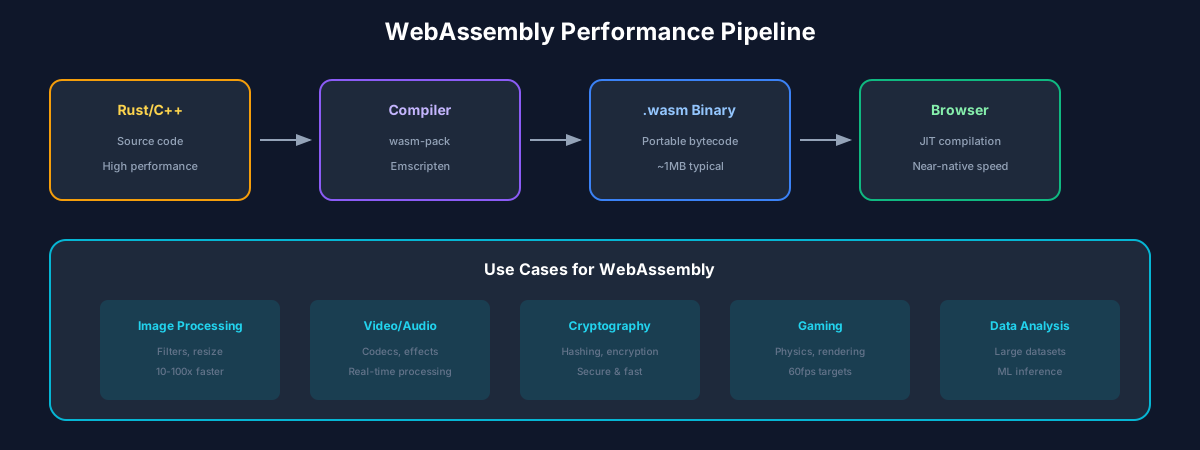
JavaScript is remarkably fast for a dynamic language, but it has limits. For computationally intensive tasks - image processing, video encoding, cryptography, physics simulations, scientific computing - WebAssembly can be 10-100x faster.
WebAssembly is a binary instruction format that runs in browsers at near-native speed. It is not a replacement for JavaScript but a complement for performance-critical code paths.
The Right Use Cases
WebAssembly shines when you have:
Poor use cases include DOM manipulation, simple calculations, or anything that spends most time waiting for network or user input.
Language Choices
Rust: First-class WASM support with excellent tooling (wasm-pack, wasm-bindgen). Strong safety guarantees prevent entire classes of bugs. The learning curve is steep but worthwhile.
C/C++: Mature toolchain with Emscripten. Best for porting existing codebases. Memory safety is your responsibility.
AssemblyScript: TypeScript-like syntax compiling to WASM. Easier learning curve for JavaScript developers but less mature ecosystem.
Integration Patterns
WASM modules are loaded asynchronously. The init function compiles and instantiates the module. Once initialized, exported functions can be called synchronously.
The critical performance consideration is the boundary between JavaScript and WebAssembly. Each call has overhead. Design your API to minimize boundary crossings - pass large buffers and do bulk operations rather than calling WASM functions in tight JavaScript loops.
Memory Management
WebAssembly has linear memory - a contiguous, growable array of bytes. Passing complex data between JS and WASM requires careful memory management.
For simple values (numbers), parameters and return values work naturally. For complex data (arrays, strings, objects), you typically allocate memory in WASM, copy data from JS, process, then copy results back.
Typed arrays provide zero-copy views into WASM memory, enabling efficient data transfer for large buffers.
Real-World Performance
Benchmarks vary wildly based on the workload. Typical results:
Always profile your actual use case. The overhead of loading WASM and crossing the JS boundary may outweigh gains for small tasks.
Best Practices
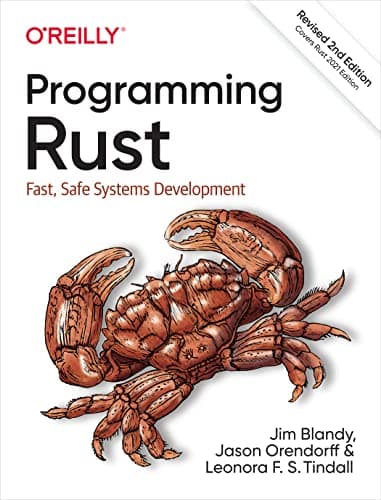
Recommended Reading
💬Discussion
No comments yet
Be the first to share your thoughts!