The Platform Engineering Movement
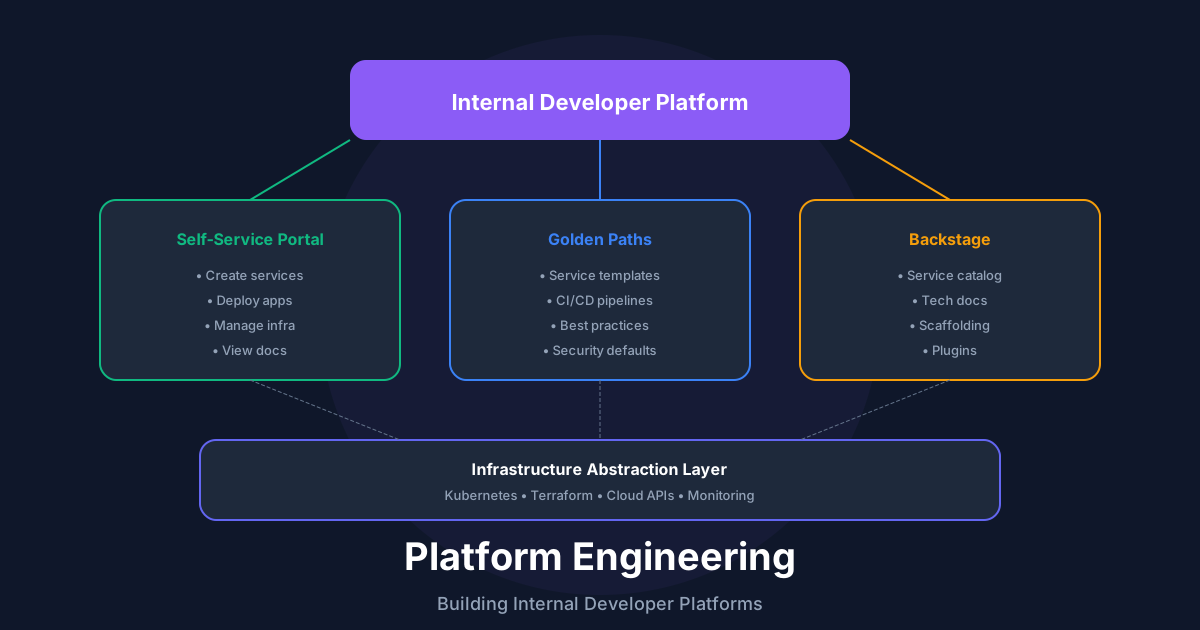
Platform engineering emerged from a recognition: DevOps promised developers would own deployment, but the cognitive load became unsustainable. Every team managing their own Kubernetes manifests, CI pipelines, and observability stacks is wasteful duplication.
Platform teams build internal developer platforms that abstract infrastructure complexity. Developers get self-service capabilities without needing to become infrastructure experts. The platform team builds once, everyone benefits.
Platform as a Product
The key mindset shift: treat your platform like a product, developers as customers.
Product thinking means:
Do not build a platform in isolation and mandate its use. Build something developers want to use because it makes their lives easier.
The Developer Portal
Developer portals like Backstage provide a unified interface to your platform. Key capabilities:
Service catalog: Discover all services, their owners, documentation, and dependencies. Find who to contact when something breaks. Understand the system landscape.
Software templates: Golden paths for creating new services. Click a button, fill in parameters, get a complete repository with CI/CD, observability, and deployment configured.
TechDocs: Documentation lives with code but is browsable in one place. Automatically generated API docs, architecture decision records, runbooks.
Plugin ecosystem: Integrate with your tools. PagerDuty incidents, cloud costs, Kubernetes deployments - all visible in one place.
Golden Paths
Golden paths are opinionated, well-supported ways to accomplish common tasks. Not the only way, but the easy way.
A golden path for creating a new microservice might include:
Developers can deviate when needed, but the default path handles 80% of cases with zero configuration.
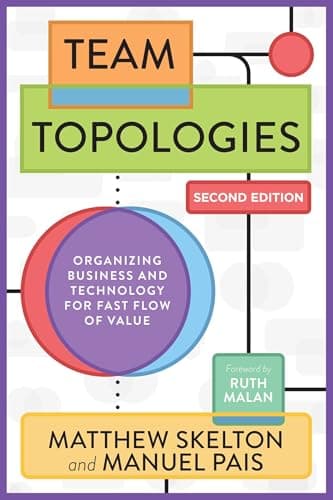
Team Topologies Integration
Platform engineering aligns with Team Topologies concepts:
Platform team: Enables stream-aligned teams by reducing cognitive load. Provides self-service capabilities rather than ticket-based requests.
Enabling team: Helps teams adopt the platform. Identifies gaps and feeds requirements back to the platform team.
Stream-aligned teams: Focus on delivering business value. Use the platform without needing deep infrastructure expertise.
The platform should enable autonomy, not create dependencies.
Measuring Success
Track metrics that matter:
Best Practices
Recommended Reading
💬Discussion
No comments yet
Be the first to share your thoughts!